To learn more and download advance care planning materials, such as Caring Conversations, click here.


What is Bioethics?
Ethics is a philosophical discipline pertaining to notions of good and bad, right and wrong — our moral life in community. Bioethics is the application of ethics to the field of medicine and healthcare. Ethicists and bioethicists ask relevant questions more than provide sure and certain answers.

Our Services & Programs






Take a look at what's new
April 17 2024 Email Newsletter
April 24, 2024Read about the success of the Center’s 40th anniversary celebration, our four areas of practical bioethic ...

The Center’s 40th Anniversary Celebration Success
April 17, 2024What a gathering of 400 people! We had former and current board members and volunteers. We had med students. We ...

Four Areas of Practical Bioethics
April 17, 2024Edited remarks by James Stowe, PhD, President and CEO of the Center, at our 40th Anniversary Celebration Dinner ...

Investing to Keep More Americans Healthy
April 16, 2024Edited remarks by Erika Blacksher, PhD, John B. Francis Chair, Center for Practical Bioethics, at our 40th Anni ...

Ethics Dispatch April 2024
April 16, 2024This month our Ethics Dispatch discusses the hot topic of Moral Culpability for Respecting Patients’ Autonomy ...
March 25 2024 Email Newsletter
April 1, 2024Read about Lindsey Jarrett’s upcoming conference speeches on responsible AI in healthcare, how the Ethica ...
March 12 2024 Email Newsletter
March 14, 2024In this bulletin, read about the Center’s upcoming annual dinner, Autonomy in the Absence of Decisional C ...
Ethics Dispatch February 2024
February 27, 2024This month our Ethics Dispatch discusses the hot topic of Autonomy in the Absence of Decisional Capacity. Other ...

AI in Kansas City Healthcare
February 26, 2024Balancing Potential and Risk A recent story in the Kansas City Beacon explores AI’s potential to enable clini ...
February 9 2024 Email Newsletter
February 13, 2024In this bulletin, read about “AI Ethics and the Productivity Trap” blog, how Center experts are ava ...

AI Ethics and the Productivity Trap
February 9, 2024By Matthew Pjecha, MS Ethical AI Program Coordinator The recent surge in AI hype has been accompanied by growin ...
January 30 2024 Email Newsletter
January 30, 2024Read about our new board members of 2024, the blog “If I had Known Then…,” the January 2024 E ...
Ethics Dispatch January 2024
January 29, 2024This month our Ethics Dispatch discusses the hot topic of Multidisciplinary Teams: The Risks and the Promise. O ...

What I Wish I Had Known Then and What I Know Now about Ethics Consultation
January 23, 2024By Trudi Galblum, Director of Marketing The first sign that something was wrong were the headaches. Later it was ...
January 9 2024 Email Newsletter
January 10, 2024In 2024, as we celebrate four decades of raising and responding to ethical issues in health and healthcare, we ...
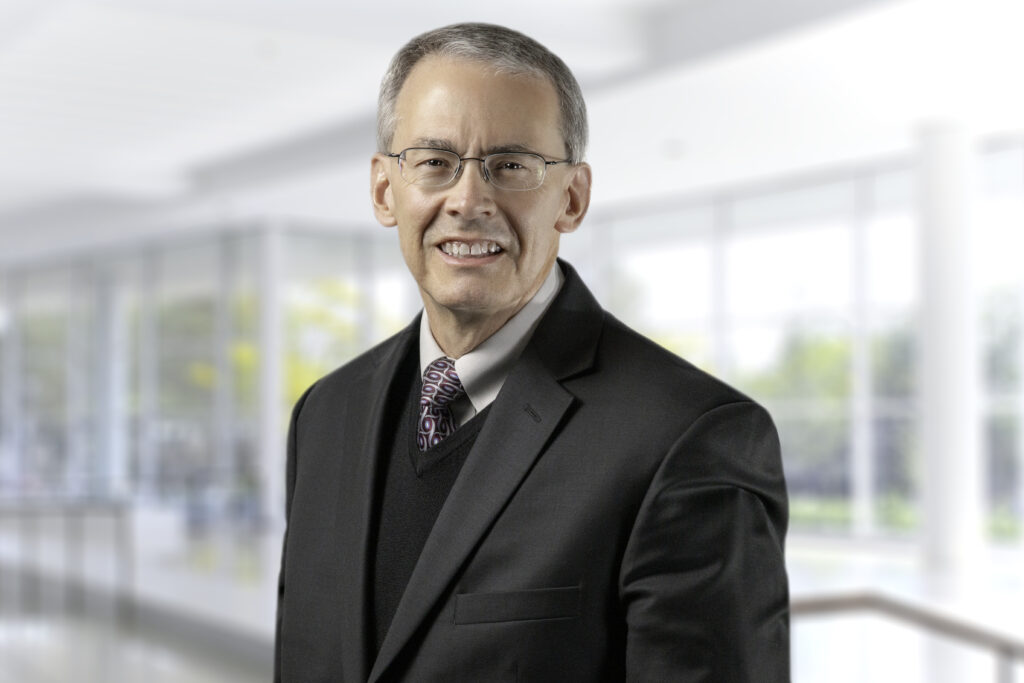
Volunteer Profile: A Physician’s Dedication to Ethics from the Bedside to Boardroom
December 4, 2023Steve Salanski, MD, family practice portrait. Stephen Salanski, MD, traces his interest in medical ethics to hi ...

Advance Care Planning: Responding to the Need for Diverse Communities’ Participation
December 4, 2023By James Stowe, PhD, President and CEO Rather than dying of a traumatic event or infectious disease, most Ameri ...
November 28 2023 Email Newsletter
November 30, 2023Read the inside perspective of a work day as a clinical ethicist in healthcare, about why a community leader su ...
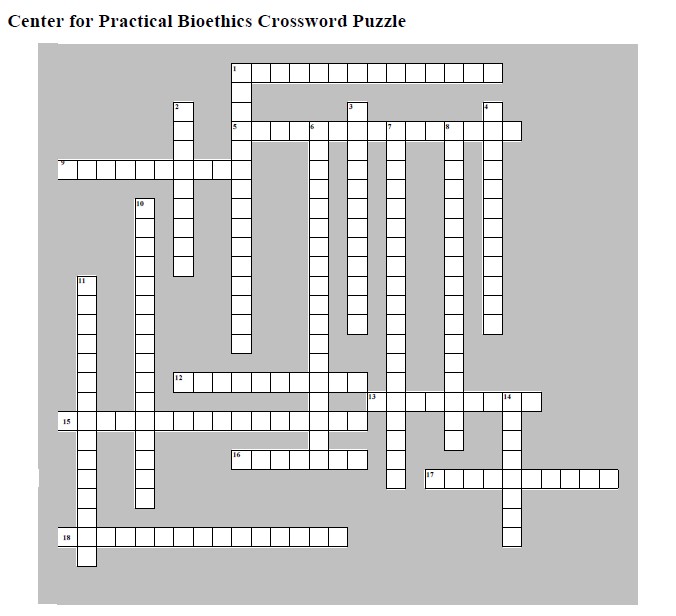
Center for Practical Bioethics Crossword Puzzle
November 27, 2023How well do you know the Center for Practical Bioethics and the field of bioethics? Take a break and have some ...

Clinical Ethics Consultation: How I Make a Difference on the Worst Days in People’s Lives
November 27, 2023By Ryan Pferdehirt, D. Bioethics, HEC-C, Vice President of Ethics Services I often half-jokingly say that someo ...
November 9 2023 Email Newsletter
November 16, 2023Learn about the three definitions of medical futility and how to balance them, having a advance care planning d ...
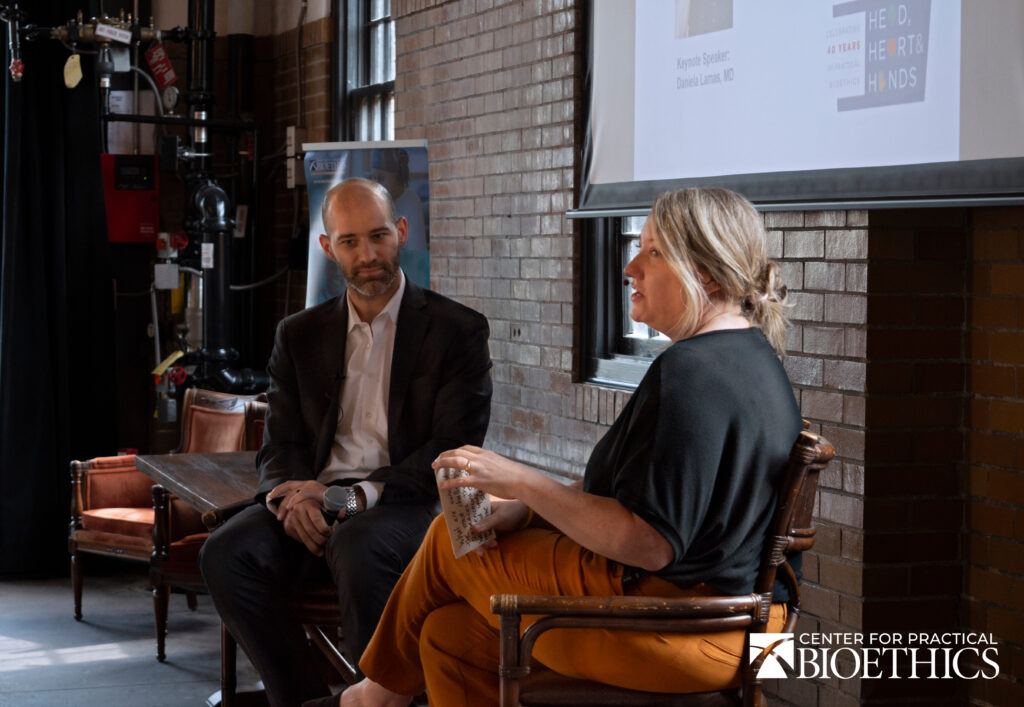
Medical Ethics and AI in Healthcare: A Fireside Chat
November 15, 2023At our 40th Anniversary Kickoff Luncheon in October, Lindsey Jarrett, PhD, and Ryan Pferdehirt, D. Bioethics, H ...

Talia’s Mom Reflects on Her Message and Its Impact
November 7, 2023Talia’s mom, Naomi Kirtner, recently wrote about what it was like, at great emotional cost, to present four l ...

Three Definitions of Medical Futility And How to Balance Them
November 7, 2023By Ryan Pferdehirt, D. Bioethics, HEC-C, Vice President of Ethics Services, and Marissa Hernandez, Program Specialist, C ...
October 26 2023 Email Newsletter
October 31, 2023Learn how clinical ethics services has three ROI’s, Lindsey Jarrett is promoted to VP of Ethical AI, and ...

Clinical Ethics Consultation: Three Ways It Returns Your Investment
October 25, 2023By Trudi Galblum Director of Marketing, Center for Practical Bioethics Why should hospitals, hospices and healt ...

Your Life, Your Death: Sharing Your Final Wishes with Your Loved Ones
October 22, 2023By Odessa Sawyer, MSW Program Coordinator, Center for Practical Bioethics Discussions about death are never easy ...
October 12 2023 Email Newsletter
October 13, 2023Read about our recap of our 40th anniversary luncheon, Erika Blacksher and Nellie Kassebaum’ s published ...
Public Deliberation: An Alternative to Politics as Usual
October 10, 2023Building Common Ground The October issue of the American Journal of Public Health (AJPH) is devoted to buildi ...
Dr. Jarrett Mentors NIH Researcher
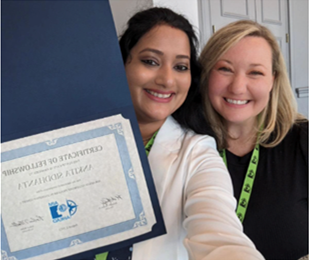
October 10, 2023Dr. Jarrett Mentors NIH Researcher on Digital Health Technology for Older Adults AIM AHEAD Program Lindsey Jarre ...
Artificial Intelligence in Healthcare
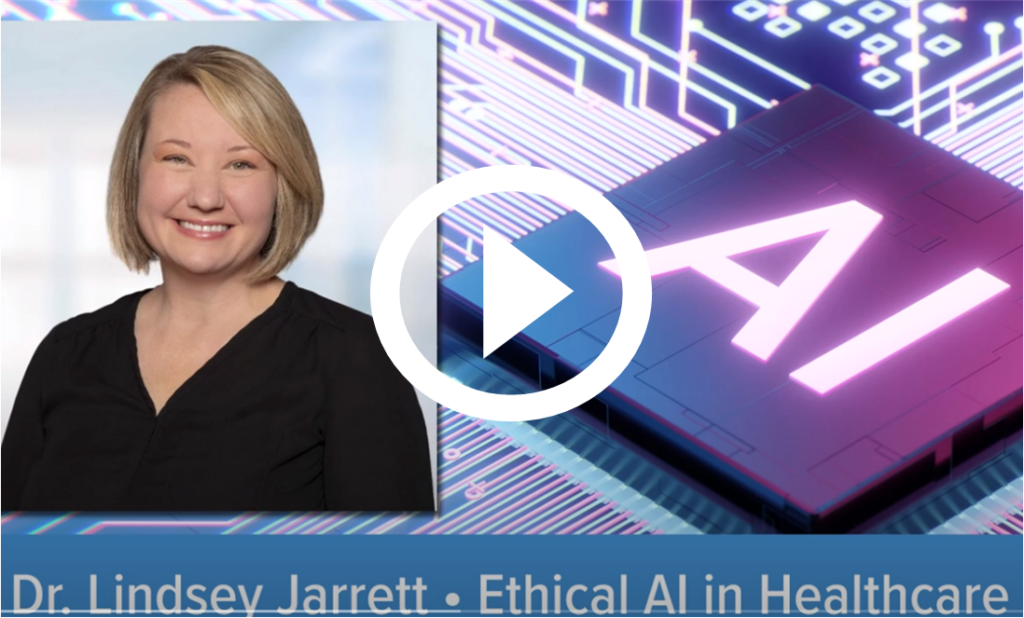
October 10, 2023It’s Here! Now What Should We Do? Click on the picture to watch the video. .image-placeholder > .custom-pre ...
Medical Ethics and Why It Matters
October 9, 2023For some, the subject of ethics tends to elicit a response that can best be described as ho-hum. Clearly, thos ...
September 26 2023 Email Newsletter
September 27, 2023Read about our upcoming luncheon, recap of our 29th Flanigan Lecture, the introduction of the Ethics Dispatch t ...
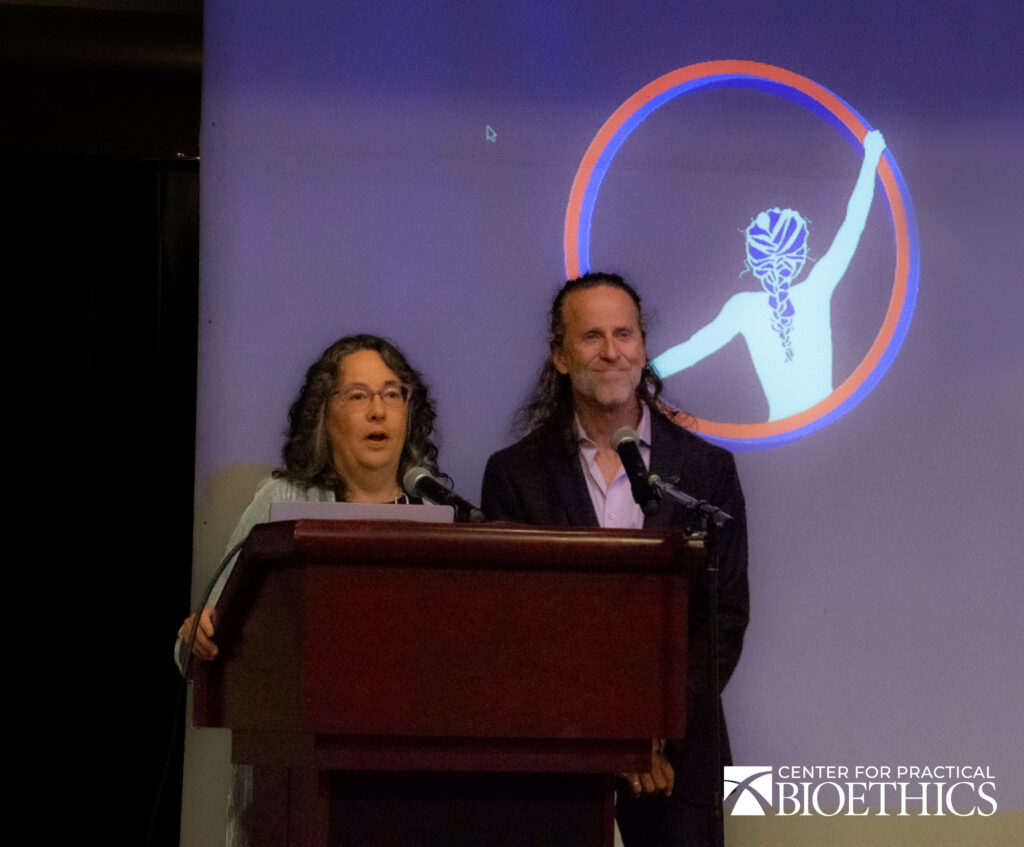
Their Child Died Because People in Charge Didn’t Listen
September 25, 2023Talia Goldenberg and her parents were unable to convince Talia’s doctors, nurses and support staff to take h ...
Ethics Dispatch September 2023
September 22, 2023This month our Ethics Dispatch discusses the hot topic of informed consent and pelvic exams. Other sections inc ...
September 14 2023 Email Newsletter
September 16, 2023Read about our Ethical AI program and upcoming events in the Center for Practical Bioethics’ September 14 ...

What Is Health Equity?
August 21, 2023By Erika Blacksher, PhD John B. Francis Chair, Center for Practical Bioethics Notions of health equity and hea ...
August 2023 Monthly Email Newsletter
August 18, 2023Read about current key challenges in bioethics, 24 hours in the life of a bioethicist, and upcoming events in t ...

24 Hours in the Life of a Bioethicist
August 10, 2023By Tarris Rosell, PhD, DMin Rosemary Flanigan Chair, Center for Practical Bioethics The Center for Practical B ...
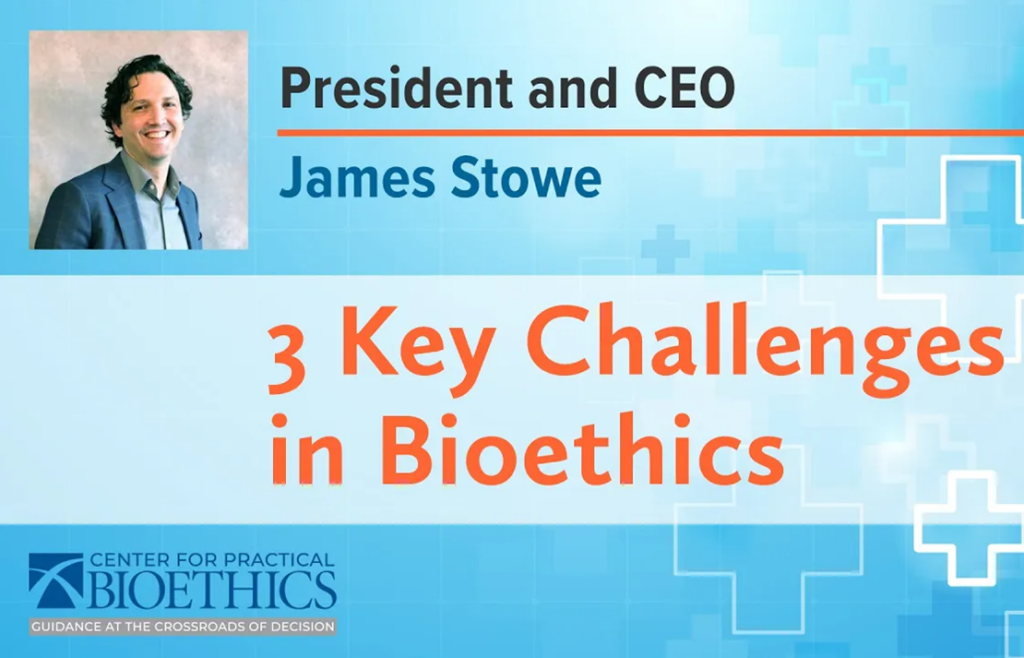
Center CEO James Stowe Discusses Three Challenges for Bioethics
August 9, 2023Click on the picture to watch the video. .image-placeholder > .custom-preloader-image { padding:px; } .image ...
July 2023 Monthly Email Newsletter
July 28, 2023The Center for Practical Bioethics July 2023 monthly email newsletter discusses our 40th anniversary luncheon, ...

Catholic Bioethics and Conscientious Objection: Implementing Catholic Directives within Secular Healthcare
July 26, 2023Conscientious objection can be difficult to navigate. When should a person violate their own values at the requ ...

Rural Public Health Ethics: Making the Case for Medicaid Expansion
July 26, 2023By Nellie Kassebaum, MPH Research Associate, Center for Practical Bioethics Why have we socially and politicall ...

Governor Parson Signs Measures Recognizing TPOPP/POLST as Equivalent to Missouri Out of Hospital Do Not Resuscitate Order
July 21, 2023After more than a decade, the Missouri Assembly approved legislation recognizing the TPOPP/POLST medical order ...
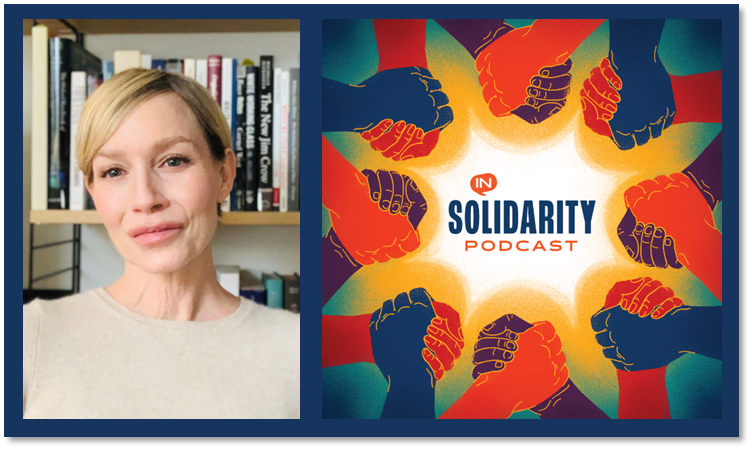
Dr. Blacksher Discusses Civic Health and Democratic Deliberation in Podcast
June 29, 2023Dr. Erika Blacksher, John B. Francis Chair at the Center for Practical Bioethics, discusses civic health and h ...
June 2023 Monthly Email Newsletter
June 26, 2023The Center for Practical Bioethics June 2023 monthly email newsletter discusses our 40th anniversary luncheon, ...

Respecting Autonomy
June 9, 2023By Ryan Pferdehirt, D.Bioethics, HEC-C Vice President of Ethics Services, Center for Practical Bioethics The Ed ...

1984 to 2024
June 9, 2023By Trudi Galblum Director of Marketing and Communications, Center for Practical Bioethics When th ...

Who has Time to Talk About Ethics?
June 9, 2023“Who has time to talk about ethics?” While no one may say this aloud, this sentiment is u ...
May 2023 Monthly Email Newsletter
May 23, 2023The Center for Practical Bioethics May 2023 monthly email newsletter discusses our 40th anniversary luncheon, k ...
Bard AI Writes a Poem on Bioethics Center
May 18, 2023Tarris Rosell, PhD, DMin, Rosemary Flanigan Chair, asked Bard AI to “describe the ideal bioethics center (in ...
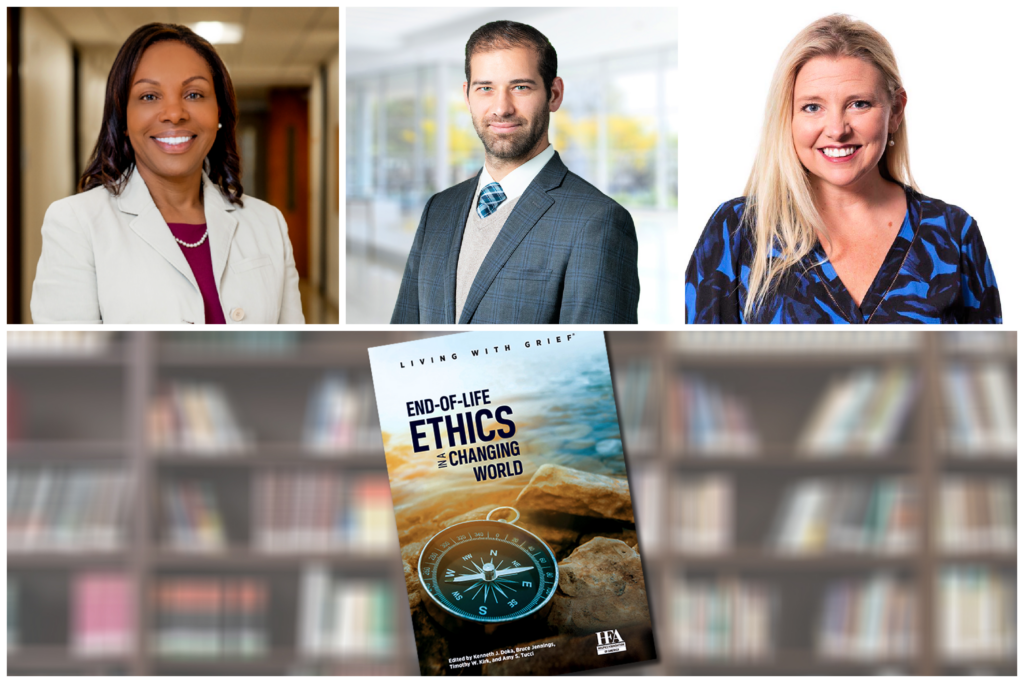
Kudos to Authors: End-of-Life Ethics in a Changing World
May 18, 2023A CPB staff member, a board member and a former student have all contributed chapters to a new book published b ...

Clinical Ethicists: Providing Guidance at the Crossroads of Decision
May 16, 2023Ryan Pferdehirt, Vice President of Ethics Services, wrote a blog about the role of clinical ethicists in health ...
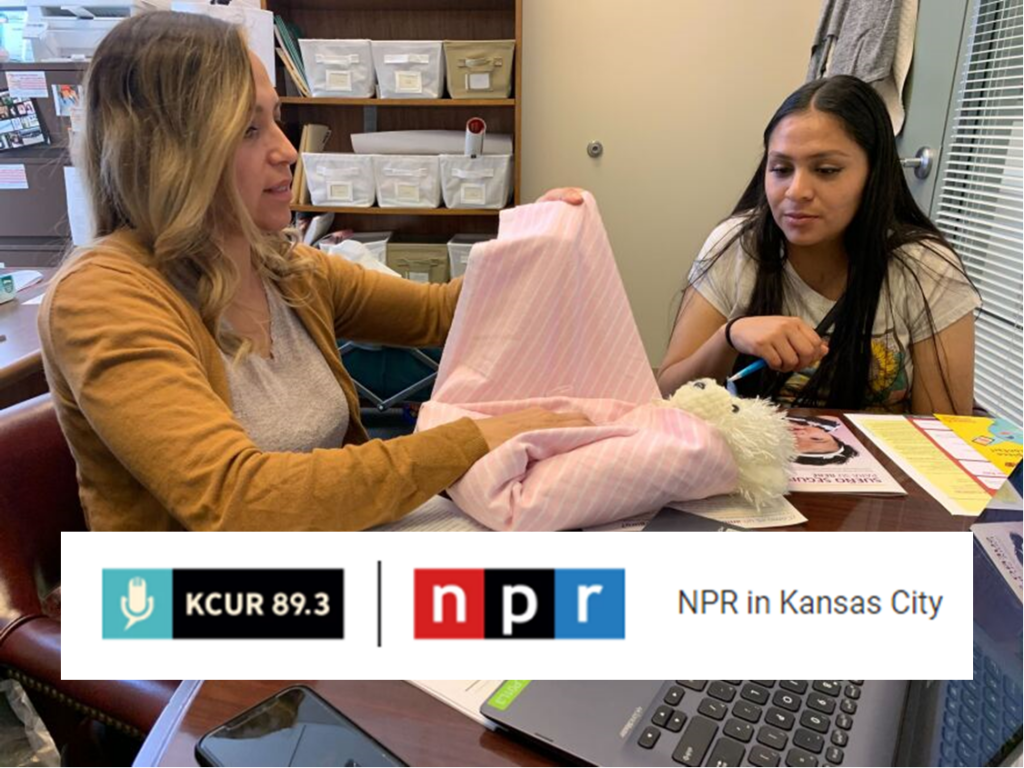
When the health care system fails women, Kansas City community workers try to bridge the gap
May 8, 2023Board Member and Director of the Kansas City Missouri Health Department, Marvia Jones, Quoted in this KCUR Arti ...
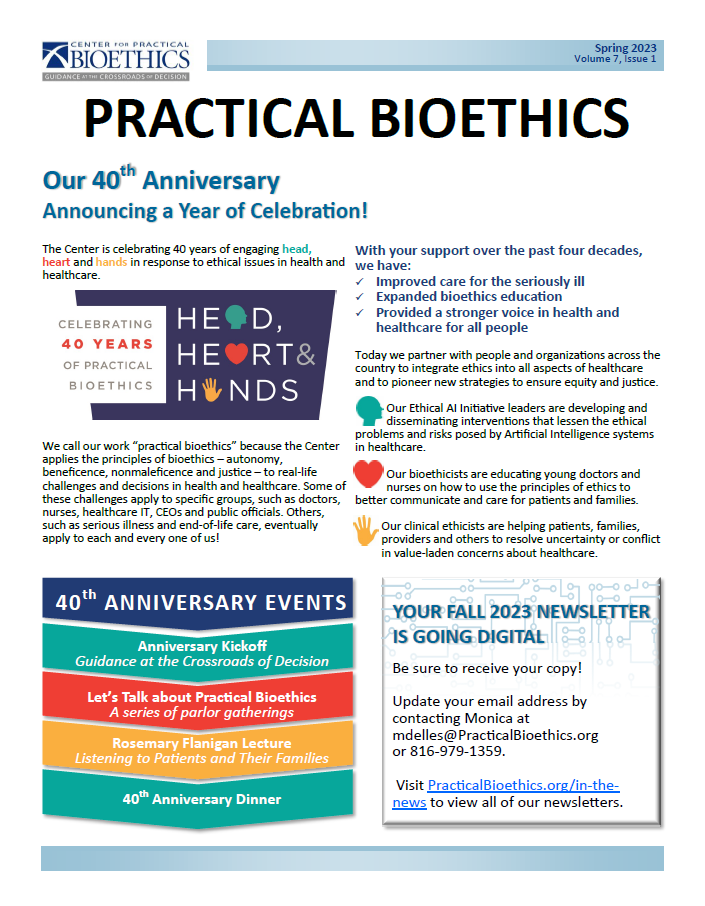
Bioethics Newsletter Winter Spring 2023
May 5, 2023Read about our upcoming 40th anniversary events, our new board members, our new CEO and more. View the Ne ...

April 2023 Monthly Email Newsletter
May 5, 2023The Center for Practical Bioethics April 2023 monthly email newsletter discusses our Ethics Services, celebrati ...

Ethics Perspective on a Controversial Innovation to Recover Donor Hearts for Transplantation
April 27, 2023By Tarris Rosell, PhD, DMin Rosemary Flanigan Chair, Center for Practical Bioethics Normothermic Regional Perfus ...

Violence Against Kansas Healthcare Workers Prompts Fresh Push for Tougher Penalties
April 21, 2023Terry Rosell Quoted in The Kansas City Star Article Healthcare workers are at risk of workplace violence whi ...

March 2023 Monthly Email Newsletter
April 11, 2023The Center for Practical Bioethics March 2023 monthly email newsletter discusses celebrating its 40th anniversa ...

February 2023 Monthly Email Newsletter
February 23, 2023February 2023 Bioethics Bulletin If you would like to receive these monthly bulletins, please sign up HERE. ...
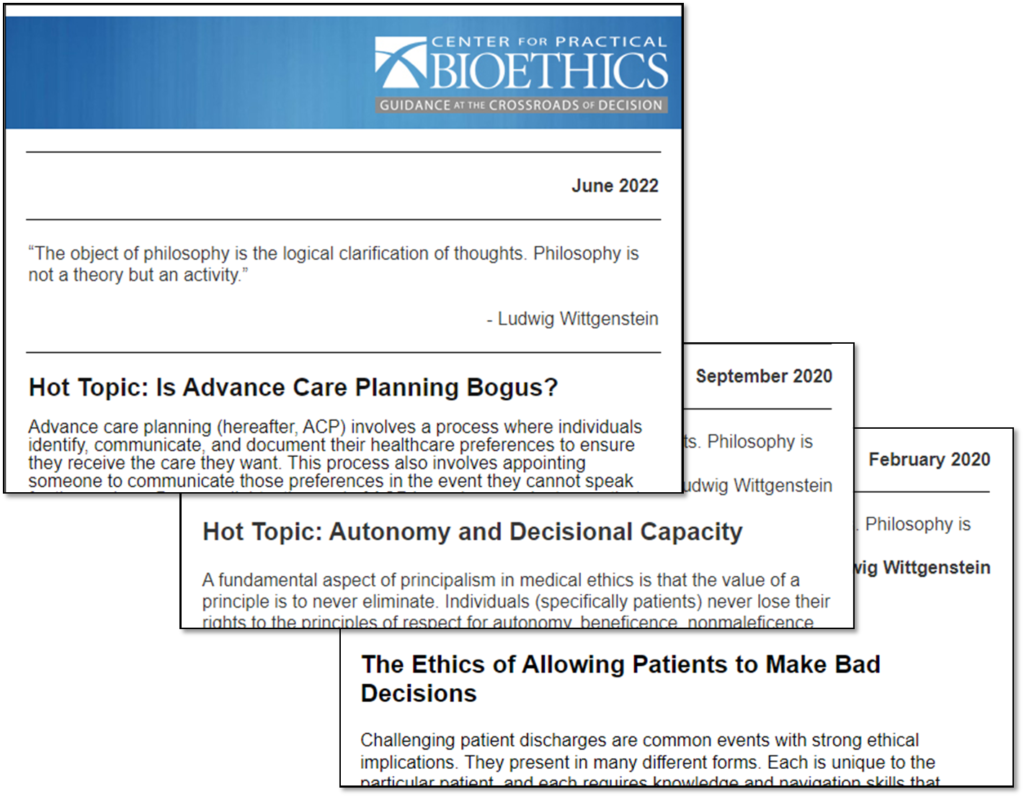
A Benefit of Being an Ethics Services Affiliate Organization: The Monthly Ethics Dispatch
February 23, 2023Affiliate Organizations of our Center Ethics Services receive our Ethics Dispatch as part of their annual membe ...
Short Video Released About the Center’s Values
February 20, 2023To the uninitiated, bioethics can seem like an abstract, academic or intimidating concept. As the Center for Pr ...
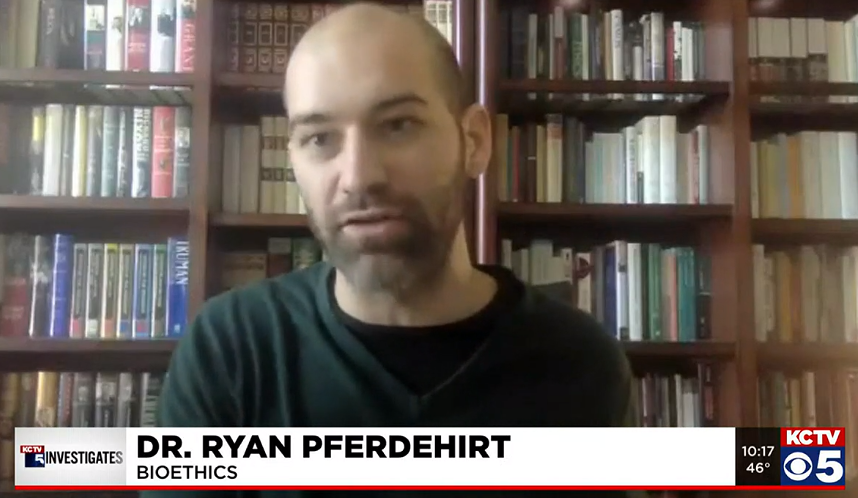
Center Bioethicist, Ryan Pferdehirt, Remarks on the Future on Cancer Testings
February 7, 2023Ryan Pferdehirt appeared in a KCTV5 story, “A blood test can detect 50 types of cancer, but it will cost ...

Healthcare Workplace Violence An Appeal for Proven Preventive Measures
February 6, 2023By Tarris Rosell, PhD, DMin Rosemary Flanigan Chair, Center for Practical Bioethics In this blog, Tarris (Terry) ...

January 2023 Monthly Email Newsletter
January 26, 2023January 2023 Bioethics Bulletin If you would like to receive these monthly bulletins, please sign up HERE. ...

Four Recommendations for Ethical AI in Healthcare
January 23, 2023By Lindsey Jarrett, PhD, Director, Ethical AI Initiative, Center for Practical Bioethics For several decades no ...

New Center for Practical Bioethics President and CEO Will Focus on Health-Related Social Needs
January 17, 2023James D. Stowe was in fourth grade on a museum field trip when an adult asked what he wanted to be when he grew ...

Cries for help arrive that you can answer
December 27, 2022A personal message from John Carney Dear CPB Friend: “Thank you! I don’t k ...
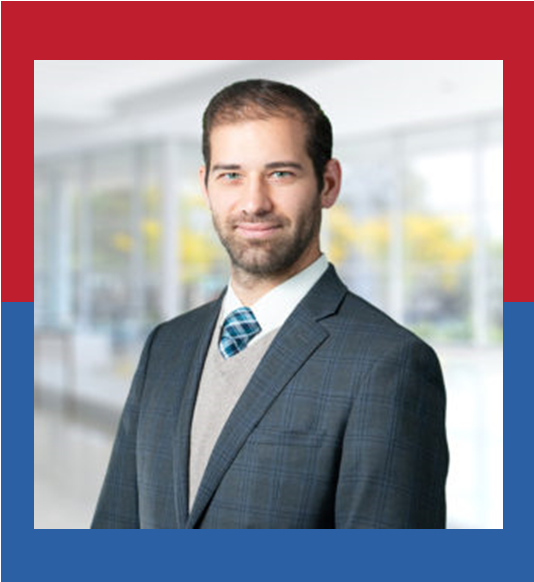
Huddling with physicians facing morally challenging dilemmas
December 20, 2022A personal message from Ryan Pferdehirt Dear CPB Friend: As a clinical bioethi ...

December 2022 Monthly Email Newsletter
December 16, 2022December 2022 Bioethics Bulletin If you would like to receive these monthly bulletins, please sign up HERE. ...
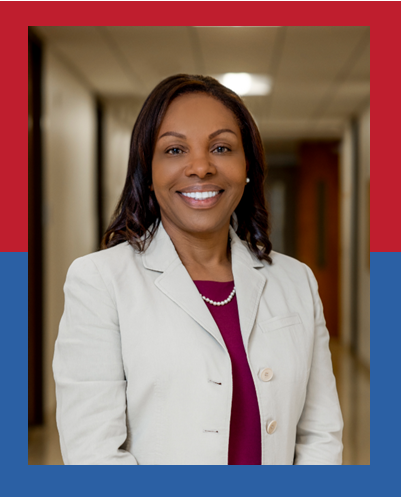
Help us break down structural and systemic racism in healthcare
December 16, 2022A personal message from Karen Bullock Dear CPB Friend: My work at Boston Colle ...
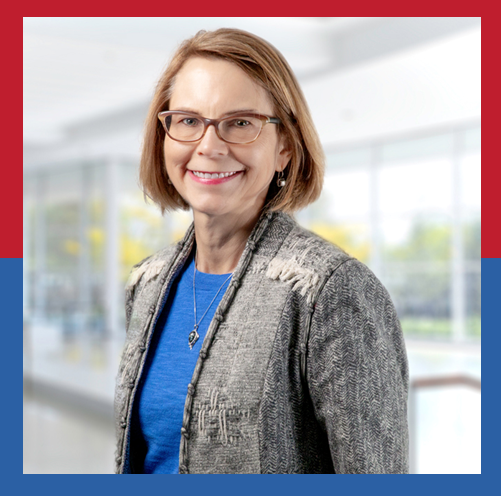
Unheard voices in healthcare need you to safeguard
December 13, 2022A personal message from Tresia Franklin Dear CPB Friend: I first got to know t ...
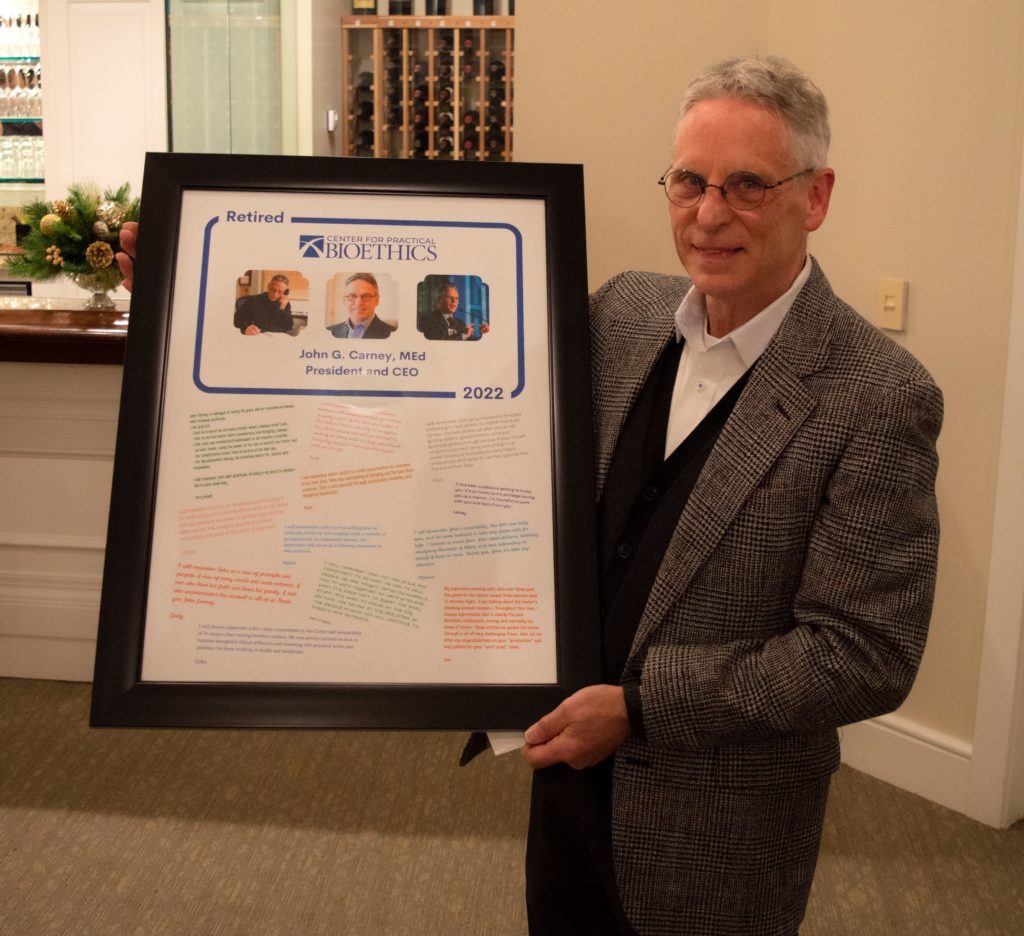
Friends and Family Join in Retirement Celebration
December 12, 2022Friends (that includes staff) and family came together on December 1 at Hallbrook Country Club for a gathering ...
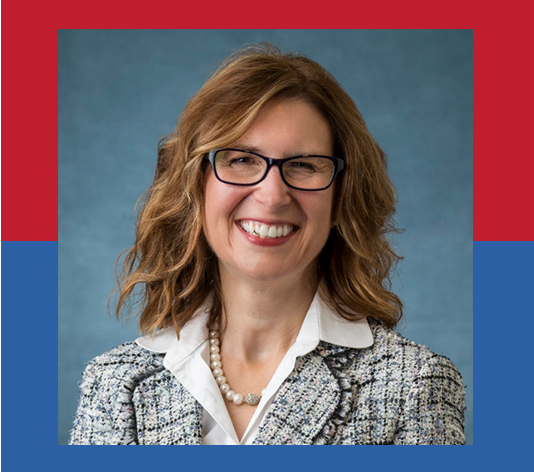
If you believe all families deserve the same level of care…
December 9, 2022A personal message from Diane Gallagher Dear CPB Friend: As parents of a child ...
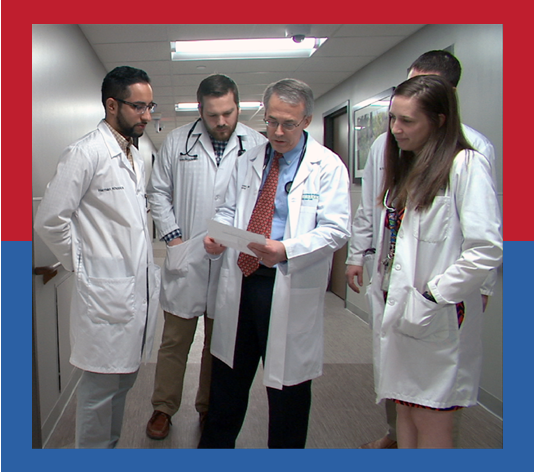
Why you should care about healthcare ethics committees
December 6, 2022A personal message from Steve Salanski Dear CPB Friend: I first got to know th ...

Your healthcare depends on good communication
December 2, 2022A personal message from Nellie Kassebaum Dear CPB Friend: I was eager to join ...
November 2022 Monthly Email Newsletter
December 1, 2022November 2022 Bioethics Bulletin If you would like to receive these monthly bulletins, please sign up HERE. ...
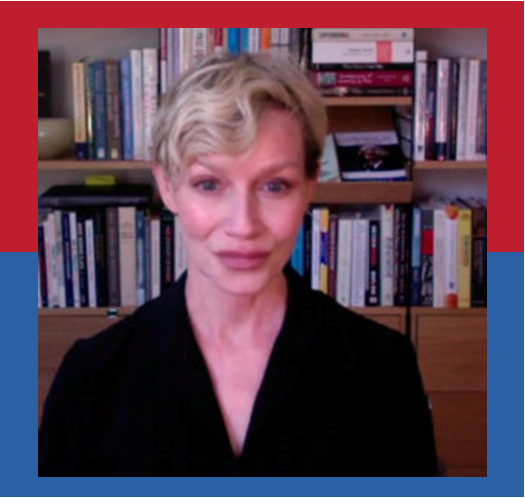
You can fight vitriol and gridlock in solving healthcare problems
November 29, 2022A personal message from Erika Blacksher Dear CPB Friend: Most Americans remain ...
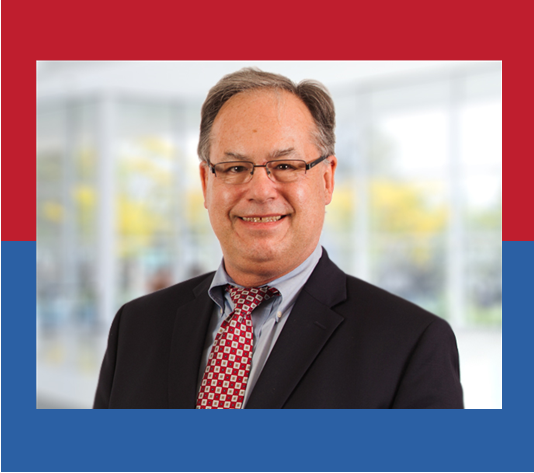
Advance Care Planning helped our family and can help yours too
November 25, 2022A personal message from Mark R. Thompson Dear CPB Friend: As an attorney, I w ...
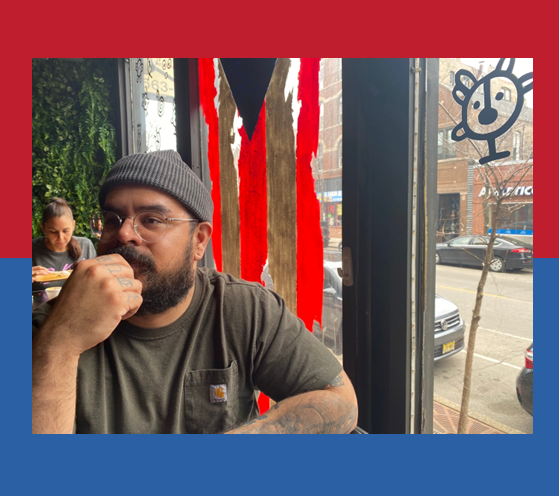
You help relieve sister’s worries about cancer care
November 18, 2022A personal message from Polo Camacho Dear CPB Friend: After earning my PhD in ...
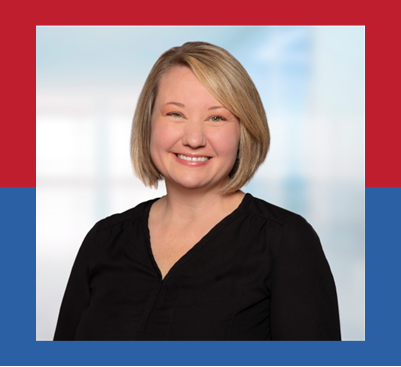
Why you should care about the wild west of AI in healthcare
November 11, 2022A personal message from Lindsey Jarrett Dear CPB Friend: Like most people, whe ...
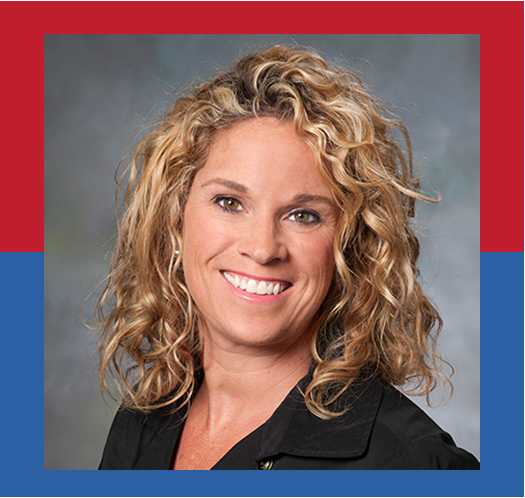
You can reduce bias posed by AI in healthcare
November 4, 2022A personal message from Maggie Neustadt Dear CPB Friend: My commitment to the ...
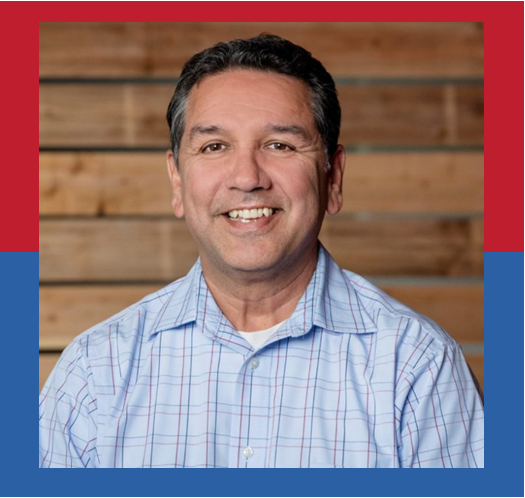
Latino families need your support for better healthcare
October 28, 2022A personal message from Rob Flores Dear CPB Friend: A few years ago, I knew th ...

October 2022 Monthly Email Newsletter
October 27, 2022October 2022 Bioethics Bulletin If you would like to receive these monthly bulletins, please sign up HERE. ...
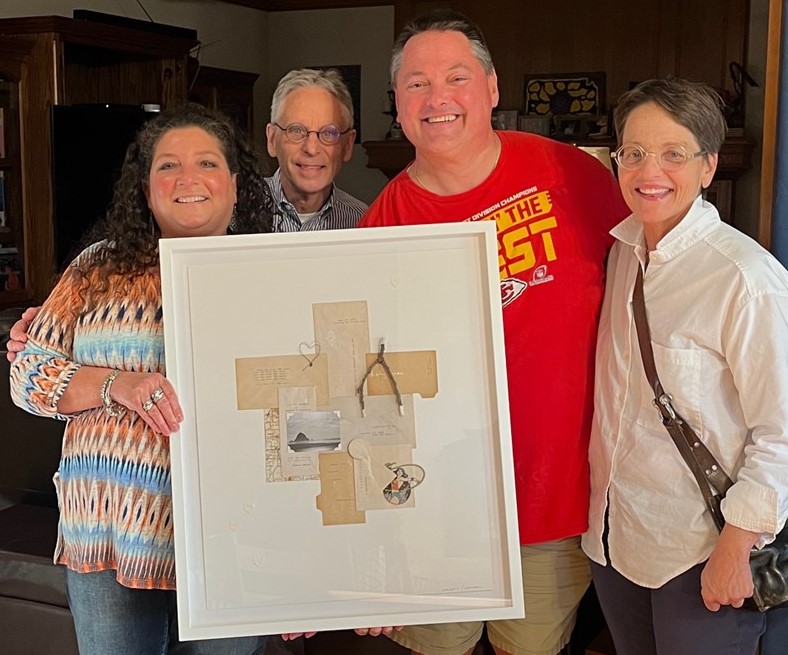
Ann Karty and the Enduring Impact of Bioethics Case Studies
October 26, 2022Ann Karty was a student in the University of Missouri Kansas City’s innovative six-year B.A./M.D. program whe ...
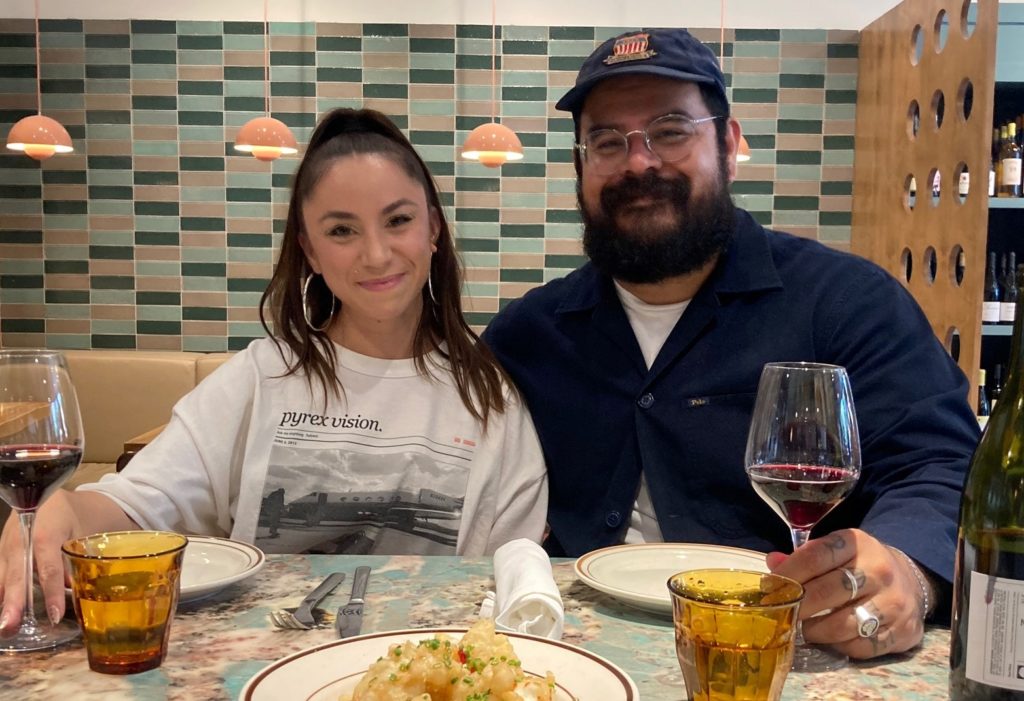
Avatar of Shared Decision Making in Healthcare
October 25, 2022Polo Camacho Late in the evening with Saturday Night Live on in the background, shortly after graduating from th ...
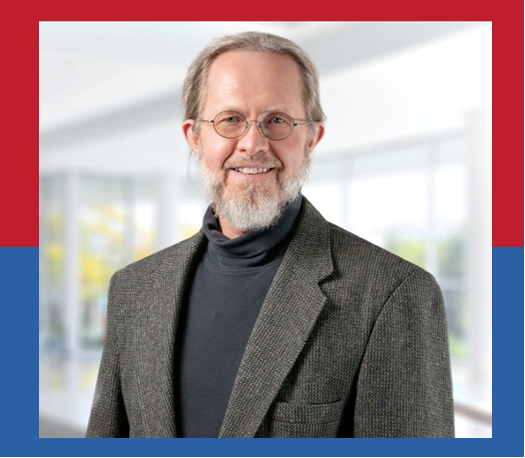
You Bring Ethics into Life-and-Death Decisions
October 25, 2022A Personal Message from Terry Rosell Dear CPB Friend: I am often asked about m ...
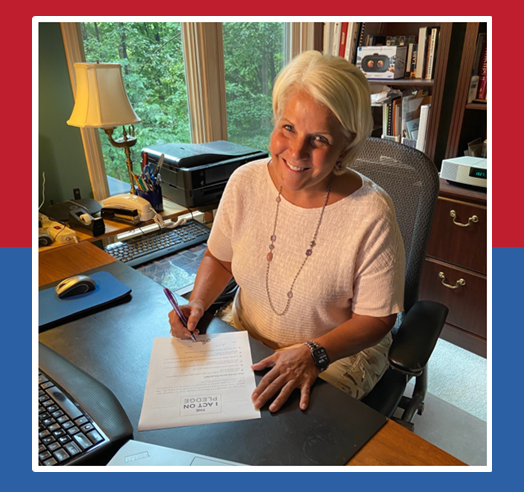
Dobbs heightened need for your support for ethics in healthcare
October 21, 2022A personal message from Eva Karp Dear CPB Friend: My involvement with the Cent ...
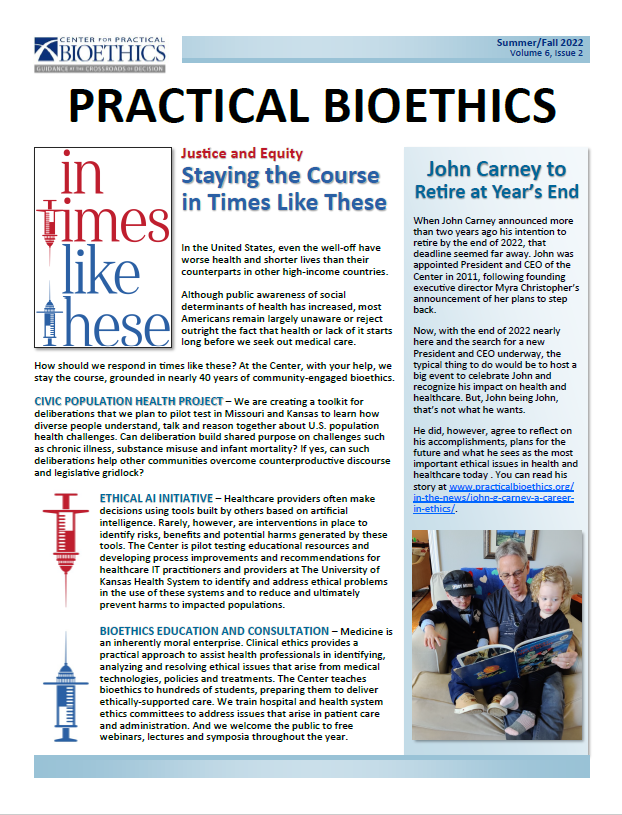
Bioethics Newsletter Summer/Fall 2022
October 18, 2022Read about our 2022 justice and equity campaign, in times like these; updates on the Ethical AI project and Eth ...
September 2022 Monthly Email Newsletter
September 30, 2022September 2022 Monthly Email Newsletter September 2022 Bioethics Bulletin If you would like to receive these mo ...

Interns at the Center: Give and Gain Practical Experience
September 28, 2022Interns at the Center Give and Gain Practical Experience Internships at the Center for Practical Bioethics are, ...

John G. Carney: A Career in Ethics
September 27, 2022John G. Carney: A Career in Ethics John Carney has always been fascinated by how people make decisions, in parti ...
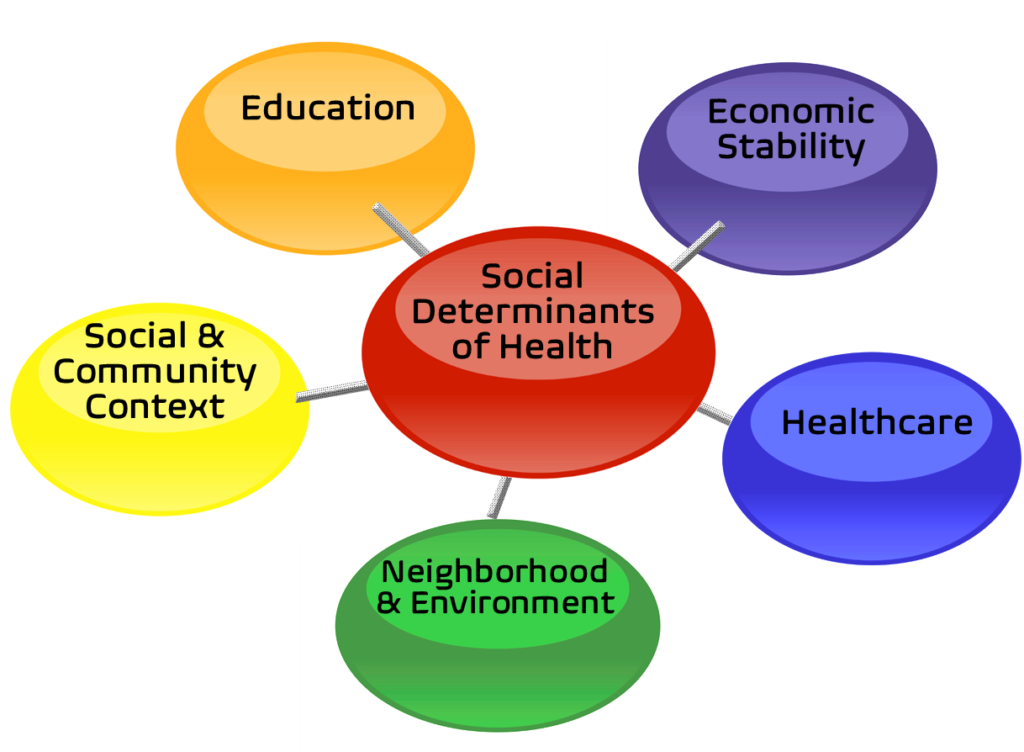
How to Advance Health Equity in Your Community
September 20, 2022How to Advance Health Equity in Your Community Social Determinants of Health This webinar on social determinant ...

President/CEO Position
September 19, 2022President/CEO Position For only the second time in its 38-year history, the Center for Practical Bioethics invit ...
Democratic Deliberation Project Appears in Population Health Blog
September 9, 2022Democratic Deliberation Project Appears in Population Health Blog Erika Blacksher, the Center’s John B. Fr ...
August 2022 Monthly Email Newsletter
August 29, 2022August 2022 Monthly Email Newsletter August 2022 Bioethics Bulletin If you would like to receive these monthly ...

Ethical Considerations, Precepts, and Recommendations in a Post-Dobbs World
August 22, 2022Ethical Considerations, Precepts, and Recommendations in a Post-Dobbs World Guidance at the Crossroads For 38 ye ...

Changing False Narratives in Public Health
August 18, 2022Changing False Narratives in Public Health Nellie Kassebaum can’t stop thinking about the systemic nature of ...

Healthcare Ethics in the Era of Dobbs v. Jackson
August 18, 2022Healthcare Ethics in the Era of Dobbs v Jackson (The Overturning of Roe v Wade)By Tarris (Terry) Rosell, PhD, DMin Rosem ...
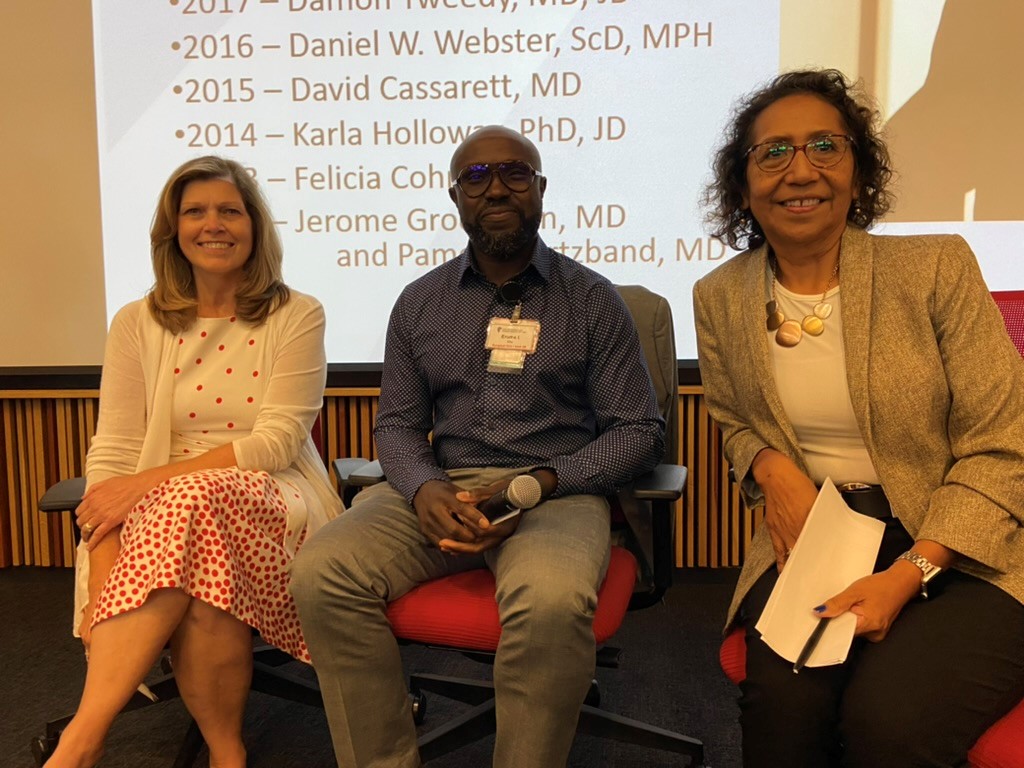
America’s Nursing Crisis: Suggestions on What Should Be Done
August 16, 2022America’s Nursing Crisis: Suggestions on What Should Be Done Questions were posed leading up to the 28th Annua ...
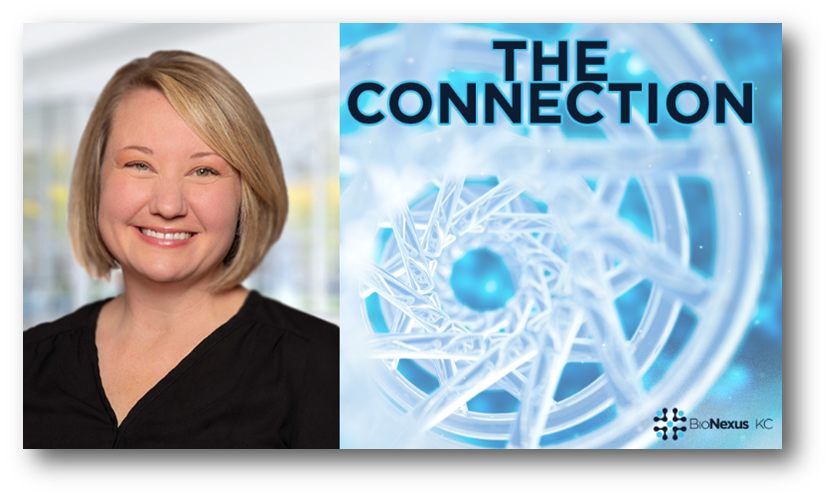
Ethical AI Project in a BioNexus KC Blog
July 18, 2022Ethical AI Initiative Appears in a BioNexus KC Blog Lindsey Jarrett, Principal Investigator and Program Directo ...
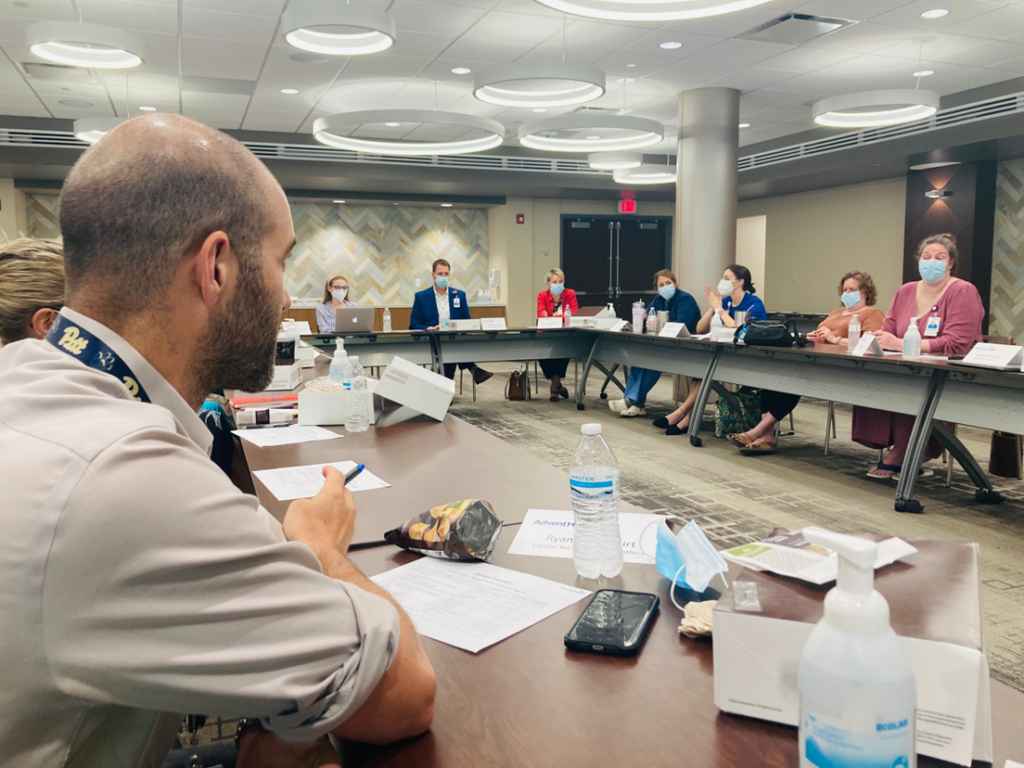
A Philosopher Who Does Bioethics
June 17, 2022By Trudi Galblum, Marketing, Communications, and Grant Writing New careers often emerge from new technology. Cli ...

Hundreds Connect with Voices of the Unheard
May 25, 2022Art of the Wish: Hundreds Connect with Voices of the Unheard .image-placeholder > .custom-preloader-image { ...

CEO John Carney Honored by Missouri Hospice & Palliative Care Association
May 24, 2022CEO John Carney Honored by Missouri Hospice & Palliative Care Association Missouri Hospice & Palliative ...
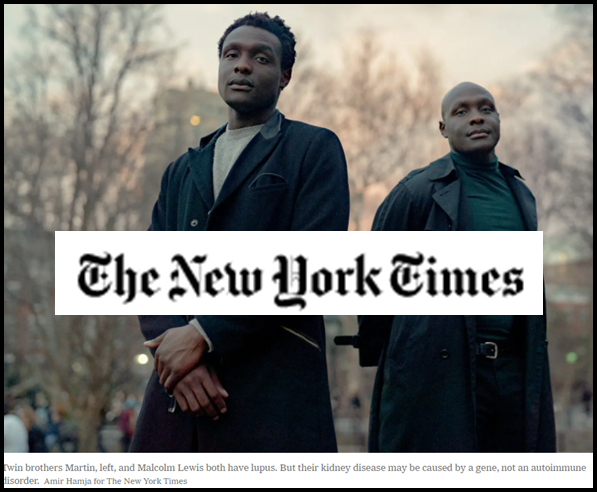
Targeting the Uneven Burden of Kidney Disease on Black Americans
May 19, 2022Targeting the Uneven Burden of Kidney Disease on Black Americans Erika Blacksher Quoted in The New York Times Ar ...
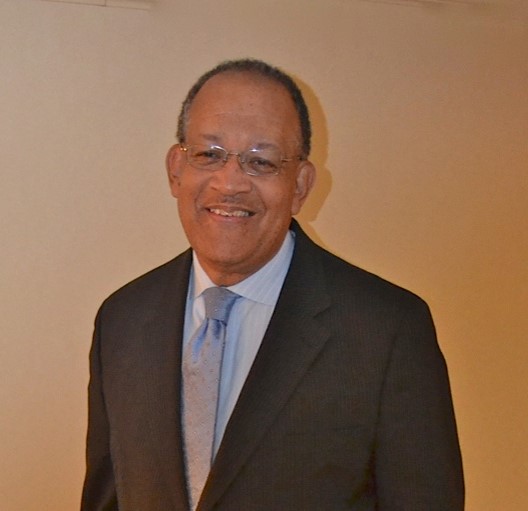
Payne Palliative Care Leadership Award Recipient Announced
May 18, 2022Inaugural Dr. Richard Payne Palliative Care Leadership Award Recipient Announced The Hastings Center, in collab ...

Art of the Wish on Fox 4 News in Kansas City
May 4, 2022Art of the Wish on Fox 4 News in Kansas City Art of the Wish on the Fox 4 Morning News in Kansas City Fox 4 N ...

Exhibit and Fundraiser at Leedy Voulkos Art Center: “Art of the Wish”
May 4, 2022Exhibit and Fundraiser at Leedy Voulkos Art Center: “Art of the Wish” “Exhibit and Fundraiser at Leedy ...
Art Exhibit Supporting the Center Celebrates Wishes of Older Adults
April 29, 2022Art Exhibit Supporting the Center Celebrates Wishes of Older Adults “Art Exhibit Supporting the Center for ...

Exhibit Celebrating the Wishes of Elders Evokes Strong Emotions
March 15, 2022Exhibit Celebrating the Wishes of Elders Evokes Strong Emotions If you’ve lived in or around Kansas City lon ...
Pathways to Health Equity through Civic Engagement
March 9, 2022Pathways to Health Equity through Civic Engagement The Center’s John B. Francis Chair, Erika Blackshe ...
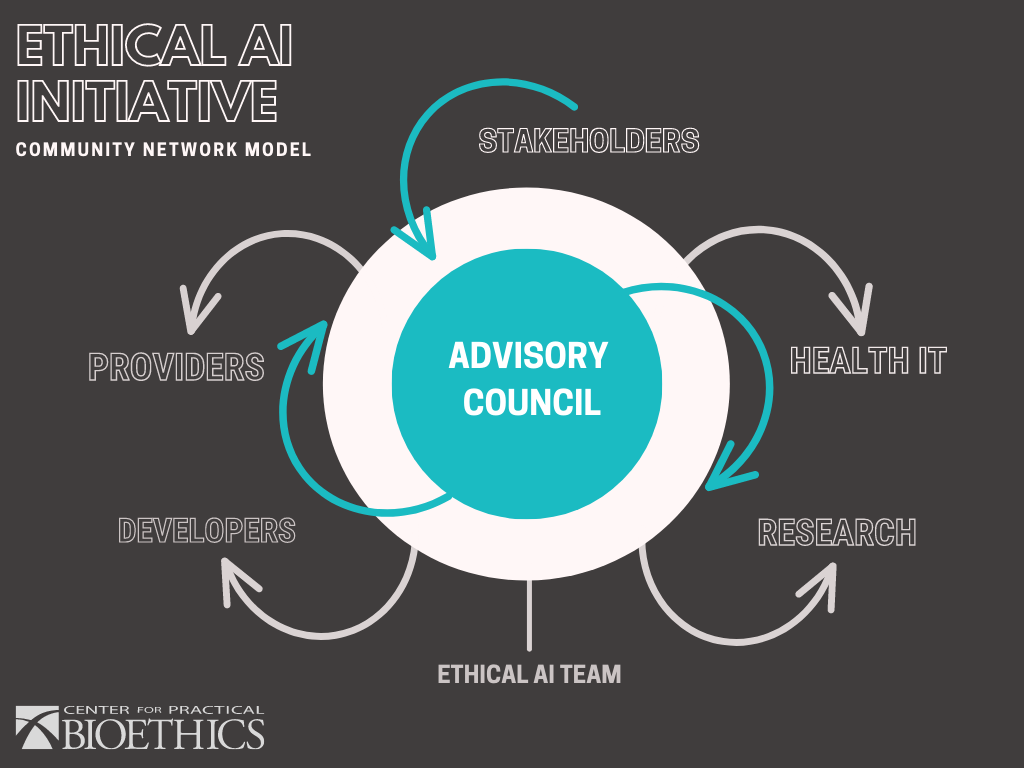
Equitable Treatment and Care: Ethical AI Initiative Poised to Test Recommendations
March 9, 2022Equitable Treatment and Care: Ethical AI Initiative Poised to Test Recommendations There is broad agreement ...

Bioethics Newsletter Winter-Spring 2022
March 9, 2022Bioethics Newsletter Winter-Spring 2022 Read about our 2022 annual event, Art of the Wish; updates on the Ethic ...

Center for Practical Bioethics What Would Be Your Wish for Our World?
March 4, 2022Magazine Article: Center for Practical Bioethics What Would Be Your Wish for Our World? March 1, 2022 Featur ...

Mentoring Medical Students for Research in the Medical Humanities
March 4, 2022MENTORING MEDICAL STUDENTS FOR RESEARCH IN THE MEDICAL HUMANITIES The Clendening-King Summer Research Fellowship The Cl ...
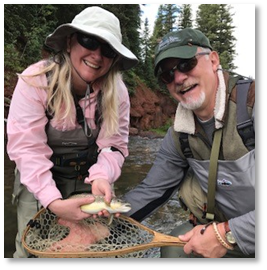
2022 Vision to Action Award
February 21, 2022Brian Carter, MDVision to Action Award Goes to Pioneer in Pediatric Palliative Medicine and Ethics When Brian Ca ...

In Times Like These
February 18, 2022In Times Like These . . . What Should Bioethicists Do?By Tarris (Terry) Rosell, PhD, DMin Rosemary Flanigan Chair at the ...

Our CEO quoted in news article: Man denied heart transplant because he won’t get vaccinated against COVID
January 26, 2022Man denied heart transplant because he won’t get vaccinated against COVID January 25, 2022 Featuring John ...
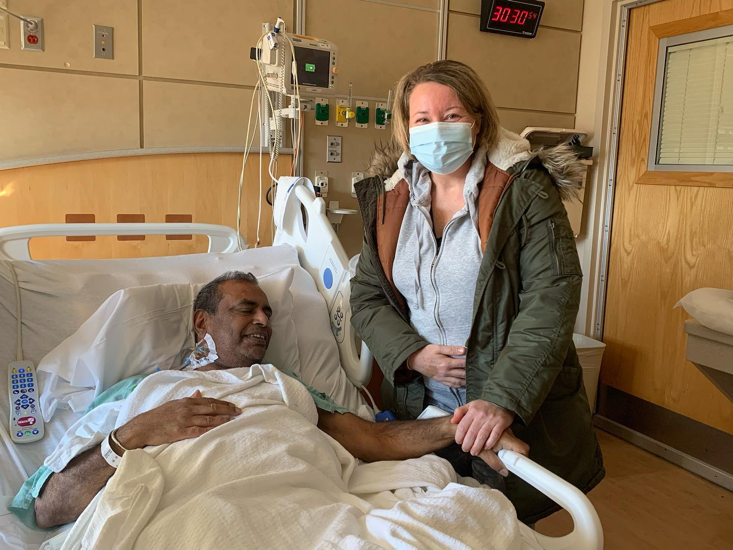
Becoming a Living Organ Donor
December 9, 2021Becoming a Living Organ DonorA Path to Recovery and Meaning The first step in determining Lindsey Jarrett’s el ...
IN MEMORY of Sarah (Liza) Rowland Townsend, JD, MSW
December 2, 2021Sarah Rowland Townsend, a member of our Board of Directors and an extraordinary human being, died at her home i ...
Covid Outbreaks Devastated Prisons, but State Inmates’ Access to the Vaccine Varies Widely
October 28, 2021Covid Outbreaks Devastated Prisons, but State Inmates’ Access to the Vaccine Varies Widely March 17, 2021 F ...

US experts tackle ethical dilemmas posed by the vaccine rollout
October 28, 2021US experts tackle ethical dilemmas posed by the vaccine rollout March 15, 2021 Featuring Terry Rosell, PhD Al ...

Meatpacking plant workers prioritized for vaccines
October 28, 2021Meatpacking plant workers prioritized for vaccines March 4, 2021 Featuring John Carney, CEO, and Terry Rosell ...

Cerner is helping create ‘COVID-19 passports.’ Will they be a reverse scarlet letter?
October 28, 2021Cerner is helping create ‘COVID-19 passports.’ Will they be a reverse scarlet letter? February 28, 2021 F ...

Computer error blamed for people getting COVID-19 vaccine before they’re supposed to
October 28, 2021Computer error blamed for people getting COVID-19 vaccine before they’re supposed to Featuring Terry Rosell, ...
The Coronavirus Is Pushing More People To Ponder If They’re Ready For Death
October 28, 2021The Coronavirus Is Pushing More People To Ponder If They’re Ready For Death August 24, 2020 Featuring J ...
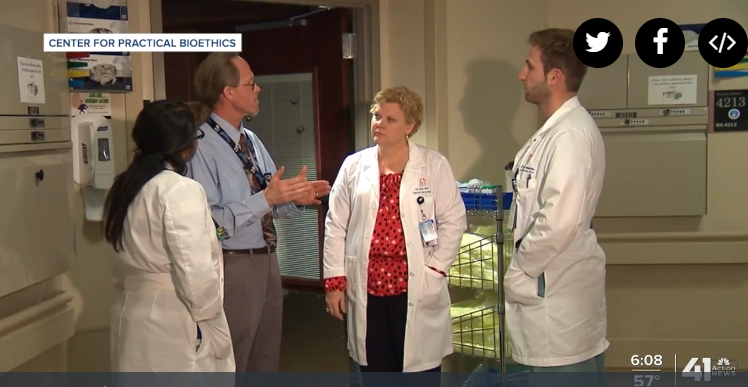
The Center for Practical Bioethics helps guide families and doctors during the pandemic
October 28, 2021The Center for Practical Bioethics is helping guide families and doctors during the pandemic August 18, 2020 ...

Our Inability to Hear and Breathe Freely – A message from Our Board and Staff
October 28, 2021Our Inability to Hear and Breathe Freely – A message from Our Board and Staff June 5, 2020 ...

Erika Blacksher, PhD, Named Fourth John B. Francis Chair in Bioethics
October 28, 2021Erika Blacksher, PhD, Named Fourth John B. Francis Chair in Bioethics The Center for Practical Bioethics in K ...
Sunflower Foundation awards $200,000 grant to better understand elder abuse in Kansas
October 28, 2021Sunflower Foundation awards $200,000 grant to better understand elder abuse in Kansas The Sunflower Foundatio ...
Lifetime Achievement in Bioethics
October 28, 2021Lifetime Achievement in Bioethics Center for Practical Bioethics Founding Executive Myra Christopher Honor ...
Former DHHS Assistant Secretary Joins the Center Staff
October 28, 2021Former DHHS Assistant Secretary Joins the Center Staff A major boost to its three-decade commitment to ...
Rosemary Flanigan Named to Starr Women’s Hall of Fame
October 28, 2021Rosemary Flanigan Named to Starr Women’s Hall of Fame The Center is honored that Rosemary Flanigan, PhD, as ...
KCP&L Offers New Employee Benefit
October 28, 2021KCP&L Offers New Employee Benefit Now, a group of KCP&L employees have somewhere to turn for consulta ...
You see a man in a kilt. You don’t see his searing pain.
October 28, 2021You see a man in a kilt. You don’t see his searing pain. Ken agreed to share his story not merely to explai ...
Current Issues in Bioethics Lecture Series
October 28, 2021Current Issues in Bioethics Lecture Series Co-Sponsored by the Center and Kansas City University of Medicine ...
Nancy Cruzan’s Legacy: Open Talk About Death With Dignity
October 28, 2021Nancy Cruzan’s Legacy: Open Talk About Death With Dignity Removal of her feeding tube 25 years ago end ...
40% of Cancer Patients Didn’t Discuss Preferences
October 28, 202140% of Cancer Patients Didn’t Discuss Preferences “Patients want their providers asking about their ...
Kansas Citians with Chronic Pain Take Their Plight Public
October 28, 2021Kansas Citians with Chronic Pain Take Their Plight Public “We don’t call them sufferers. We don’t ...
CHRONIC PAIN: National Groups Call on HHS to Release the National Pain Strategy Report and Endorse Four Core Messages
October 28, 2021CHRONIC PAIN: National Groups Call on HHS to Release the National Pain Strategy Report and Endorse Four Core Me ...
Death and dying: An emerging conversation
October 28, 2021Death and dying: An emerging conversation Experts at KU Med Center and Center for Practical Bioethics am ...
Death and dying: Expanding palliative care
October 28, 2021Death and dying: Expanding palliative care KU Hospital, Topeka nonprofit lead efforts to promote patient ...
Expert hails Medicare proposal to reimburse end-of-life counseling
October 28, 2021Expert hails Medicare proposal to reimburse end-of-life counseling KU palliative care doctor says plan r ...
Death and dying: Advocates seek state laws
October 28, 2021Death and dying: Advocates seek state laws Debate of ‘death with dignity’ legislation spreads across ...
Truly the Best Business of the Year Award
October 28, 2021Truly the Best Business of the Year Award MetroCare wins the Lee’s Summit Chamber’s non-prof ...
Attorney General Supports Center’s Position on TPOPP
October 28, 2021Attorney General Supports Center’s Position on TPOPP On January 13, 2015, the Kansas Attorney General (AG) pr ...
Brittany Maynard’s Choice to End Her Life Raises Profound Questions
October 28, 2021Brittany Maynard’s Choice to End Her Life Raises Profound Questions John Carney, President & CEO of the C ...
5 Things to Know About Death and Dying Debates
October 28, 20215 Things to Know About Death and Dying Debates Cathy Lynn Grossman, senior national correspondent for Religion ...
Myra Christopher Named to Starr Hall of Fame
October 28, 2021Myra Christopher Named to Starr Hall of Fame Myra Christopher, the Center’s founding director and current Kat ...
Will a ‘vaccine passport’ be required to travel? As idea grows, travelers have mixed reactions
October 27, 2021Will a ‘vaccine passport’ be required to travel? As idea grows, travelers have mixed reactions March 30, 20 ...
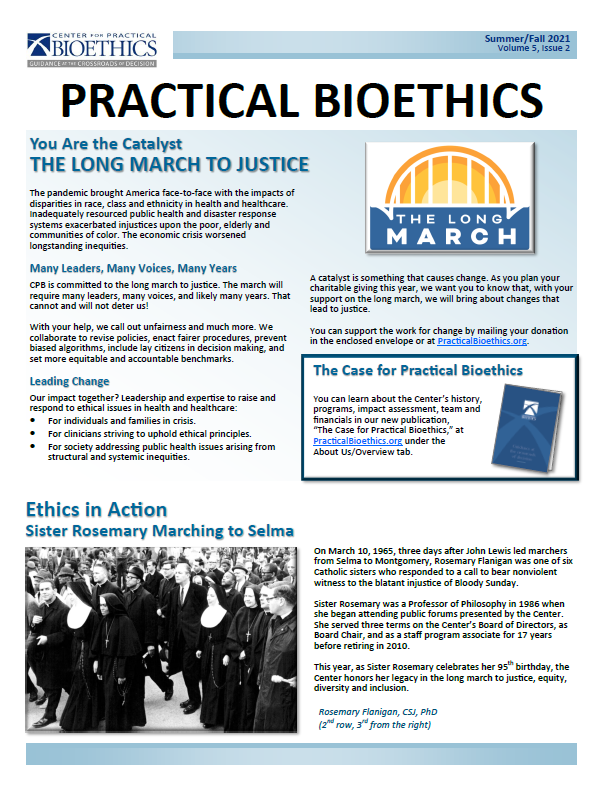
Bioethics Newsletter Summer-Fall 2021
October 21, 2021Bioethics Newsletter Summer-Fall 2021 The pandemic brought America face-to-face with the impacts of disparities ...
Should Doctors Refuse to Treat Unvaccinated People?
August 23, 2021ETHICISTS DEBATE Should Doctors Refuse to Treat Unvaccinated People? A story appeared on August 17 in the Alabama News w ...
Bioethics Newsletter Winter-Spring 2021
March 27, 2021Bioethics Newsletter Winter-Spring 2021 The coronavirus pandemic has informed our collective conscience about w ...
Bioethics Newsletter Summer-Fall 2020
October 27, 2020Bioethics Newsletter Summer-Fall 2020 From the mid-1980s when ventilators came into common use, the Center for ...
Bioethics Newsletter Winter-Spring 2020
March 27, 2020Bioethics Newsletter Winter-Spring 2020 People don’t like to talk about politics, religion or money. To that ...
Bioethics Newsletter Summer-Fall 2019
October 27, 2019Bioethics Newsletter Summer-Fall 2019 A 52-year old African American woman with chronic obstructive pulmonary d ...
Bioethics Newsletter Winter-Spring 2019
March 27, 2019Bioethics Newsletter Winter-Spring 2019 Celebrating our 35th anniversary. View the Newsletter ...
Bioethics Newsletter Summer-Fall 2018
October 27, 2018Bioethics Newsletter Summer-Fall 2018 Let’s go to the movies! Bioethics film series. View the Newsl ...
Make an impact
Every dollar you give helps providers, clinicians, patients and families decide what to do when it’s hard to agree about the “right” thing to do.